Every country has convenience stores. Only Japan turned them into a cultural institution worthy of pilgrimage. The konbini, short for convenience store, is open around the clock, stocked like a tiny department store, and run with a precision that borders on art. Tourists plan entire evenings around them. Locals treat them as an extension of the kitchen. If you want to understand modern Japan in one fluorescent-lit room, this is the room.
Not a shop, an ecosystem
A konbini is not just snacks. It is onigiri rice balls, bento boxes, and sandwiches made fresh daily. It is coffee, beer, and socks. It is where you pay your bills, print documents, buy concert tickets, and ship parcels. The big three chains, 7-Eleven, FamilyMart, and Lawson, compete ferociously, which means the quality stays absurdly high: the egg sandwich from a Tokyo konbini has ended friendships over which chain makes it best. Everything is priced for everyday life, nothing feels cheap, and the whole operation runs 24 hours a day, 365 days a year, as if the concept of closing had never been proposed.
The 3am onigiri test
Here is the true measure of the konbini: at three in the morning, in any Japanese city, you can walk in and buy an onigiri that was made hours ago and is still genuinely good. Triangle of rice, sheet of crisp nori kept separate by clever packaging so it stays crunchy, fillings from salmon to pickled plum. It costs pocket change. It is better than most restaurant food in most countries. The konbini passes the 3am test every single night, and that reliability is the foundation of the devotion. When a nation trusts its corner shop at 3am, something profound has happened.
The famichiki phenomenon
Every chain has its cult item, and FamilyMart's is famichiki, a piece of fried chicken that inspires the kind of loyalty usually reserved for sports teams. It is hot, juicy, peppery, and available at the counter whenever you want it. People write odes to it. Visitors are instructed by friends to try it on day one. It is, by any objective measure, fast-food fried chicken, and it is also, somehow, a cultural touchstone. This is the konbini magic in miniature: take something ordinary, execute it perfectly, repeat forever.
Why tourists make pilgrimages
It baffles first-timers and then converts them within 48 hours. Travel vlogs now routinely include the "konbini haul," where visitors film themselves buying an implausible quantity of snacks and rating them on camera. Part of the appeal is value: exquisite food for almost nothing. Part is novelty: flavours and formats you cannot get at home. But the deepest part is the feeling of being cared for by infrastructure. A country that feeds you this well, this cheaply, at any hour, is a country that has its priorities straight. Visitors leave with full bags and a new standard that their home convenience stores will never meet.
The konbini at New Year, and every other ritual
The devotion runs so deep that the konbini has absorbed Japan's calendar. At New Year, when everything else closes, the konbini stays open, glowing through the holidays like a lighthouse. During cherry blossom season the shelves fill with sakura-flavoured everything. Exam season brings special "good luck" snacks for students pulling all-nighters. The chains watch the culture and mirror it back within weeks, which is why the konbini always feels current. It is not just reflecting daily life; it is participating in it, one limited-edition onigiri at a time.
Wear the snack run
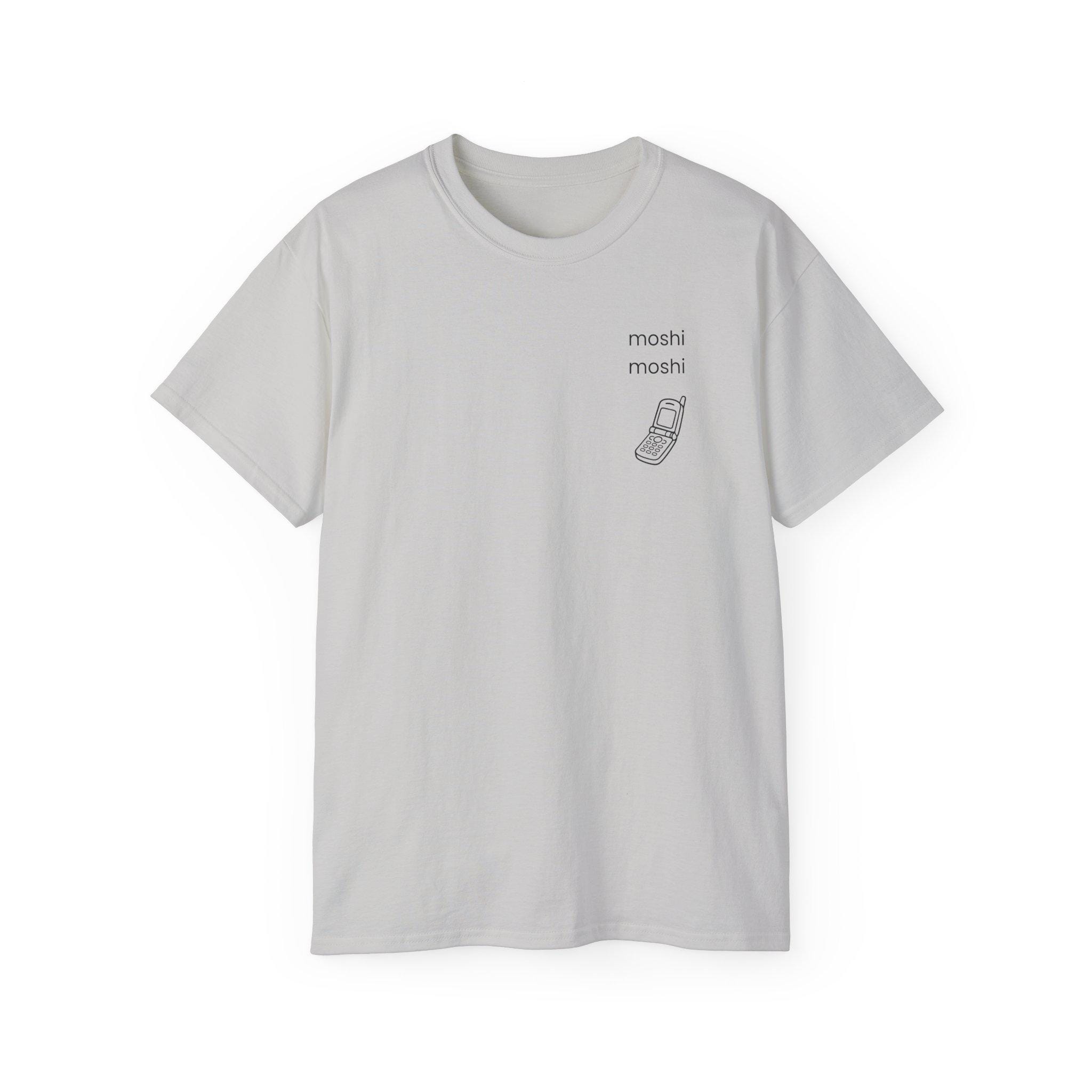
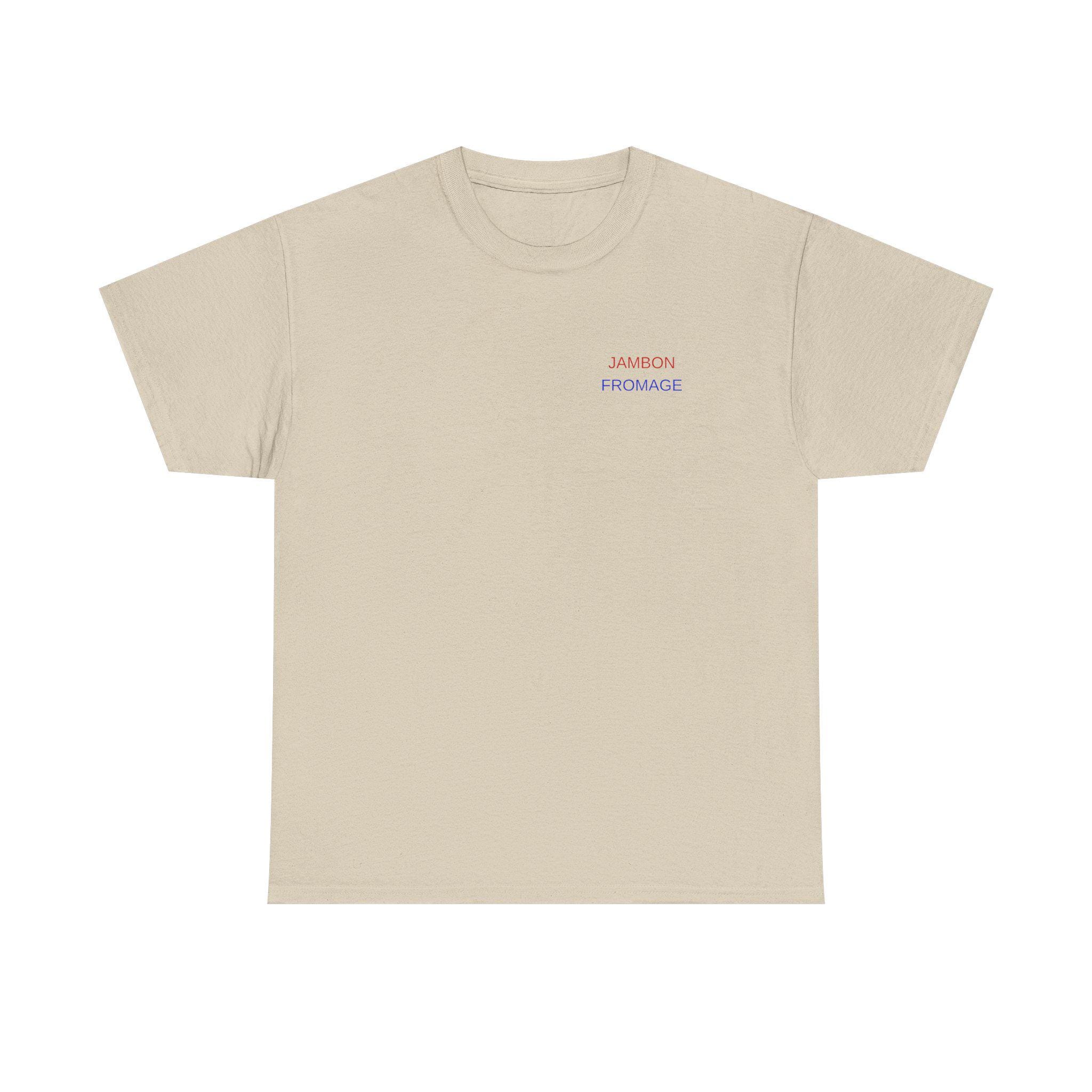
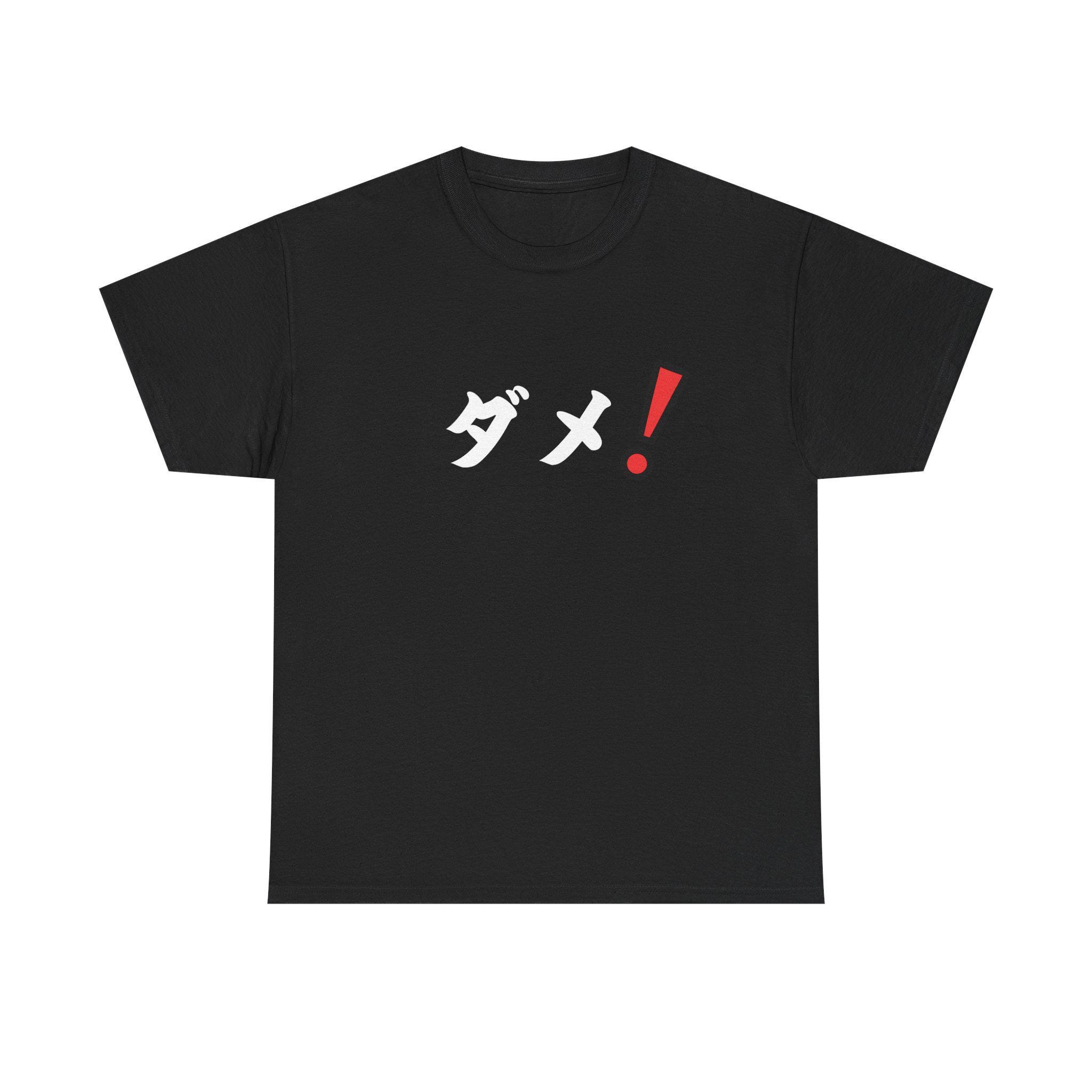
Our foodie tees exist because the best culture is edible, and the konbini is proof. Japan treats a midnight snack with the seriousness other nations reserve for state dinners, and honestly, we respect it enormously. It is the same spirit as our Sake All Day tee and our sushi roll designs: everyday pleasures, done properly, worn proudly. Next time you are in Tokyo at 3am, onigiri in hand, you will understand the dress code.